Rally Kid Alexander Research Fund
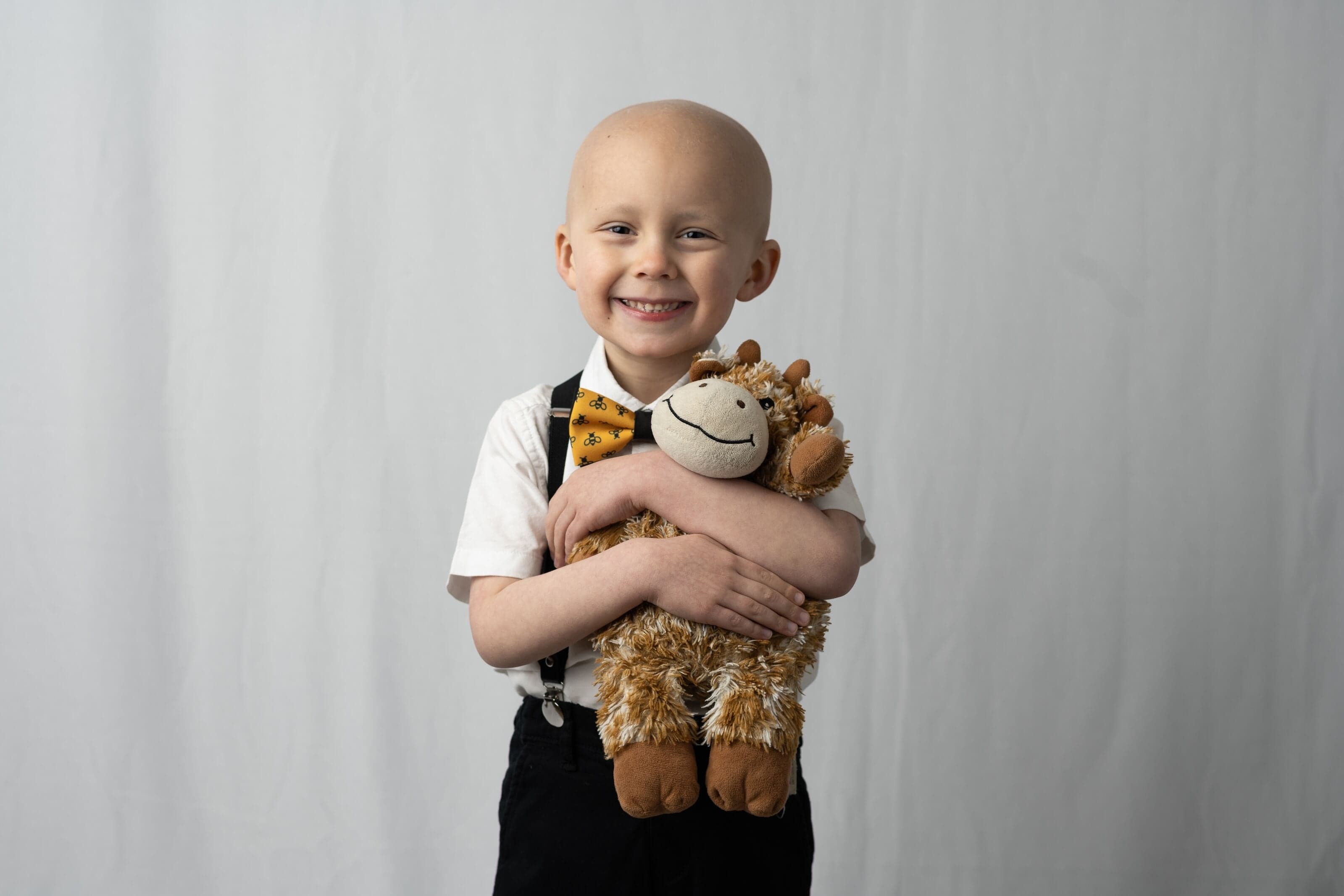
Alexander Brown is a bright light. He’s everything a parent could hope for: smart, loving, polite, funny, curious, and joyful. He adores his big sister, shares his dad’s musicality, and his mom’s positivity. He’s adventurous yet content reading with family for hours. There’s nothing missing in this remarkable 4-year-old boy. In late May 2023, as we prepared for a beach vacation, Alexander fell from his stroller at a Memorial Day parade after vomiting earlier that morning. Although he seemed fine, he vomited again days later while with his grandparents in Florida. After several episodes, we took him to urgent care, then the ER, where he tested positive for strep. We hoped antibiotics would help, but they didn’t. By the weekend, we were worried. He kept vomiting, especially in the mornings. Online searches pointed to a frightening possibility: brain tumor. Though rare, we couldn’t ignore it. At the ER, we insisted on a CT scan despite hesitation from the doctor. At 12:30 PM, the doctor returned: “There is a mass.” A 4.2 cm tumor in the fourth ventricle of Alexander’s brain. We were devastated. A transfer to a hospital in Pensacola was delayed by storms and ambulance shortages. As we waited, the ER doctor admitted he wouldn’t have scanned Alexander without our insistence. Parents know their children—trust your instincts. That night, Matt and Alexander were finally transported. Christy met them in Pensacola, where we were told surgery was needed, but with only one pediatric neurosurgeon on staff, we felt uneasy. Christy’s medical contacts helped us explore other options. After being denied a transfer to Chicago, we found an outstanding surgeon at Children’s Healthcare of Atlanta (CHOA). Within a day, Alexander was en route. At CHOA, the tumor was removed in full. Dr. Brahma’s team achieved the best possible surgical outcome. Alexander recovered quickly—walking, talking, dancing—reminding us how strong and special he is. But challenges lay ahead. We faced a difficult treatment choice: radiation, with its risks to young brains. Alexander, at 4, was in a gray zone—too old to avoid it easily, too young for it to be standard. We sought a second opinion at St. Jude. At St. Jude, we felt cared for from the beginning. Their testing confirmed high-risk Group 3 medulloblastoma with MYC amplification. With this clarity, we accepted their treatment plan. Alexander began a course of 30 rounds of radiation and chemotherapy, followed by a 6-week break, then intensive chemo. Alexander is doing remarkably well. His parents, buoyed by love and support, are staying strong. The road ahead is hard, but we’re giving him the best chance possible. Alexander’s light will continue to shine—maybe differently than it might have—but just as brightly. Please support and share his story.